Photos: Rob Riingen Photography
The Friday after Thanksgiving, the pampered sport horses boarded at Galway Downs’ will greet approximately 70 head of range-raised cattle, plus sheep and goats.
The livestock – along with talented young cowboys and cowgirls — are coming for the Nov. 27-29 California Junior Rodeo Association Finals. A major open event, the Rodeo Of The Valley, is set for March 12-13 of 2027.
CJRA president and longtime rodeo organizer Kevin Hale is thrilled to bring these events to Galway Downs.
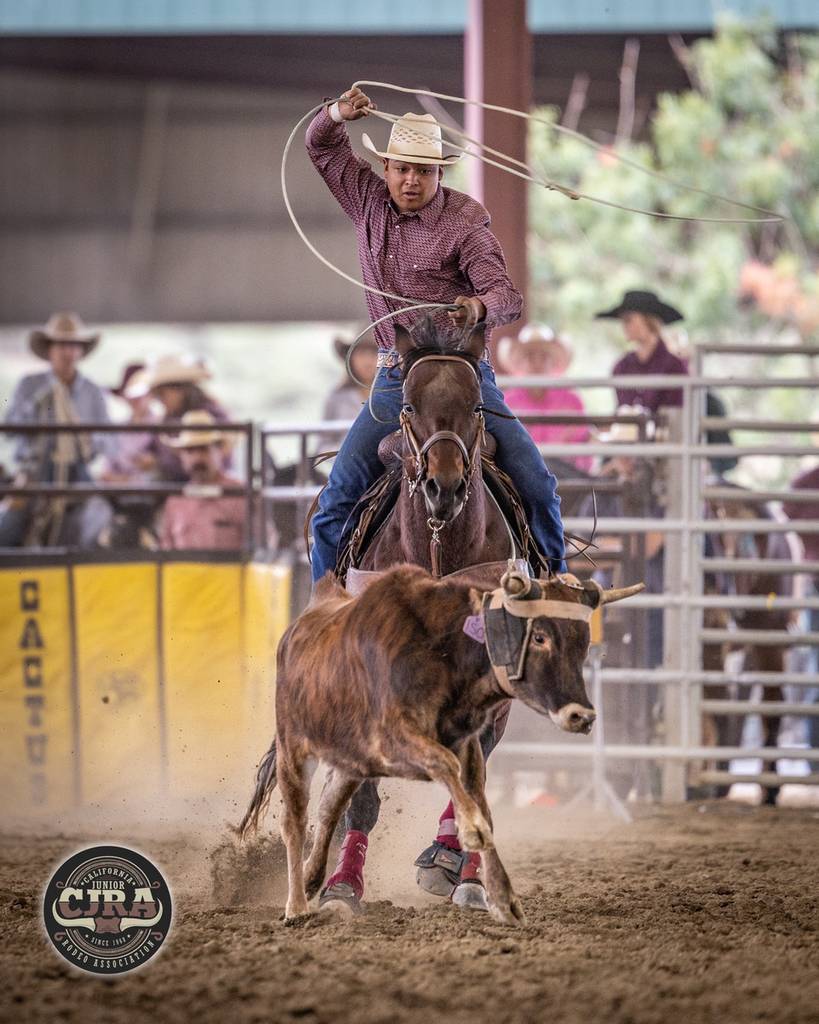
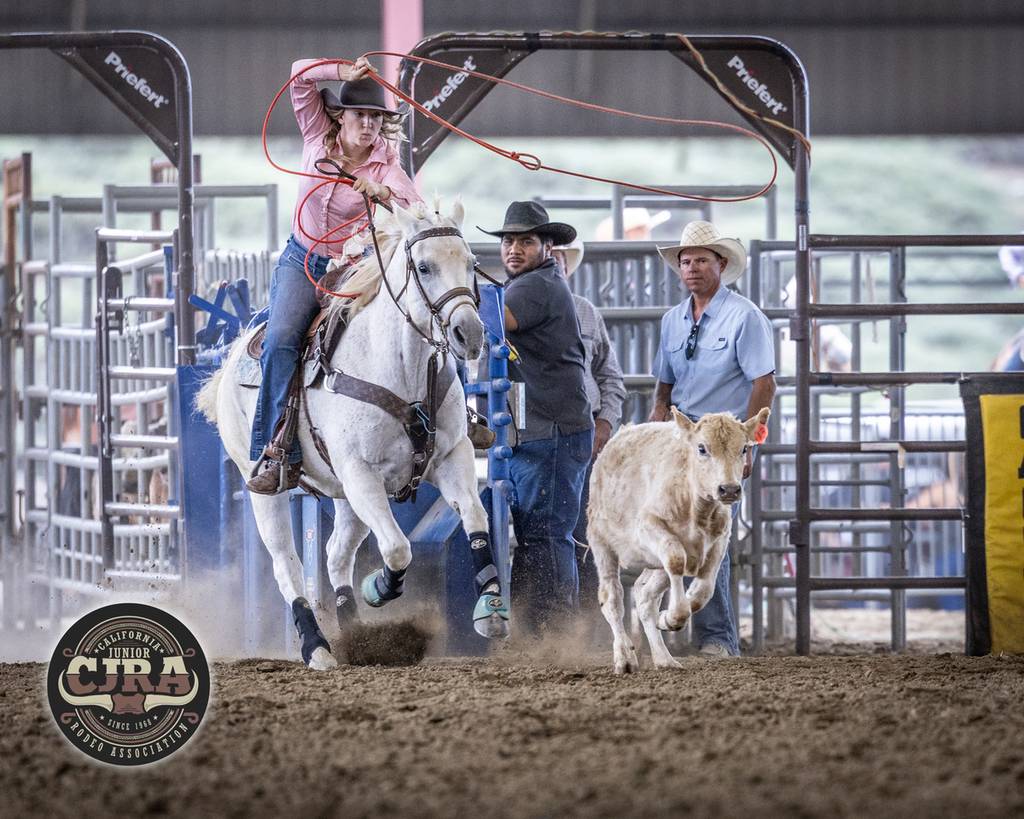
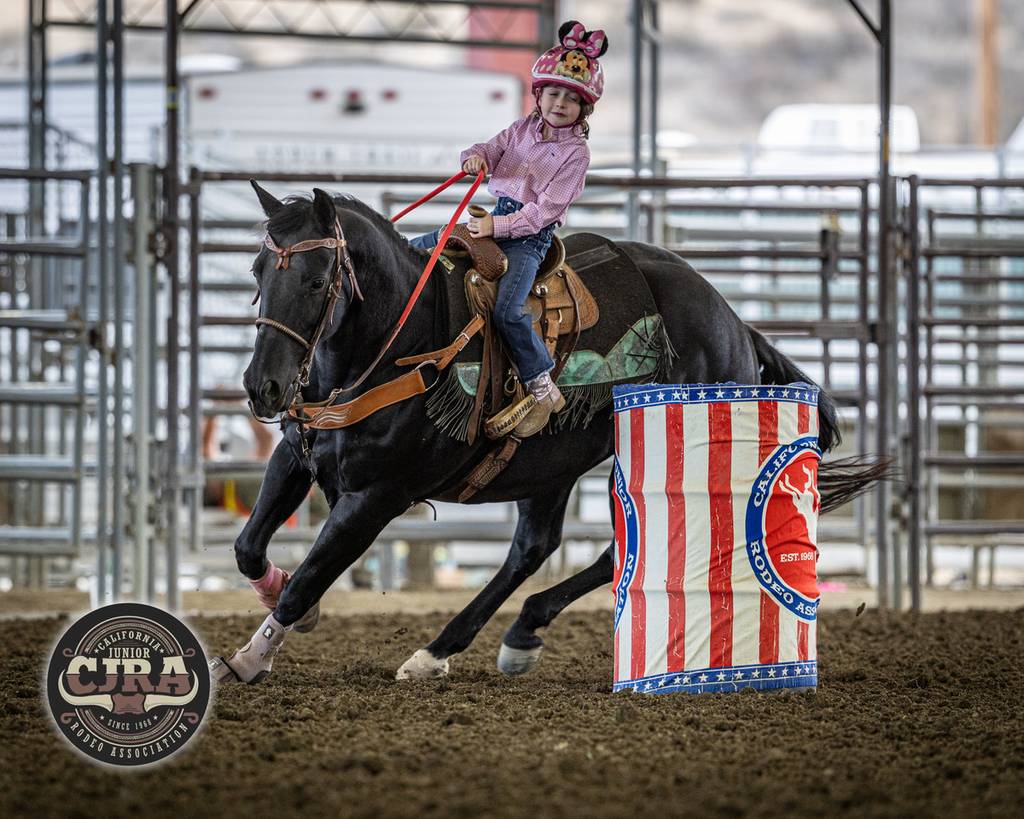
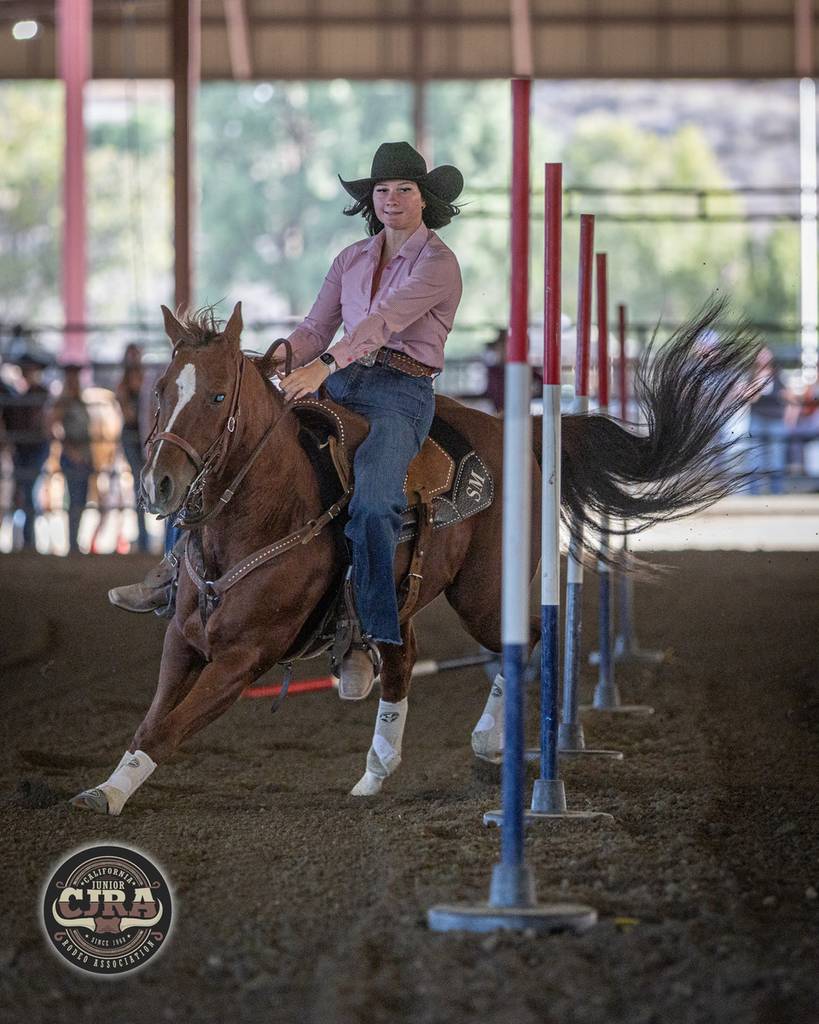
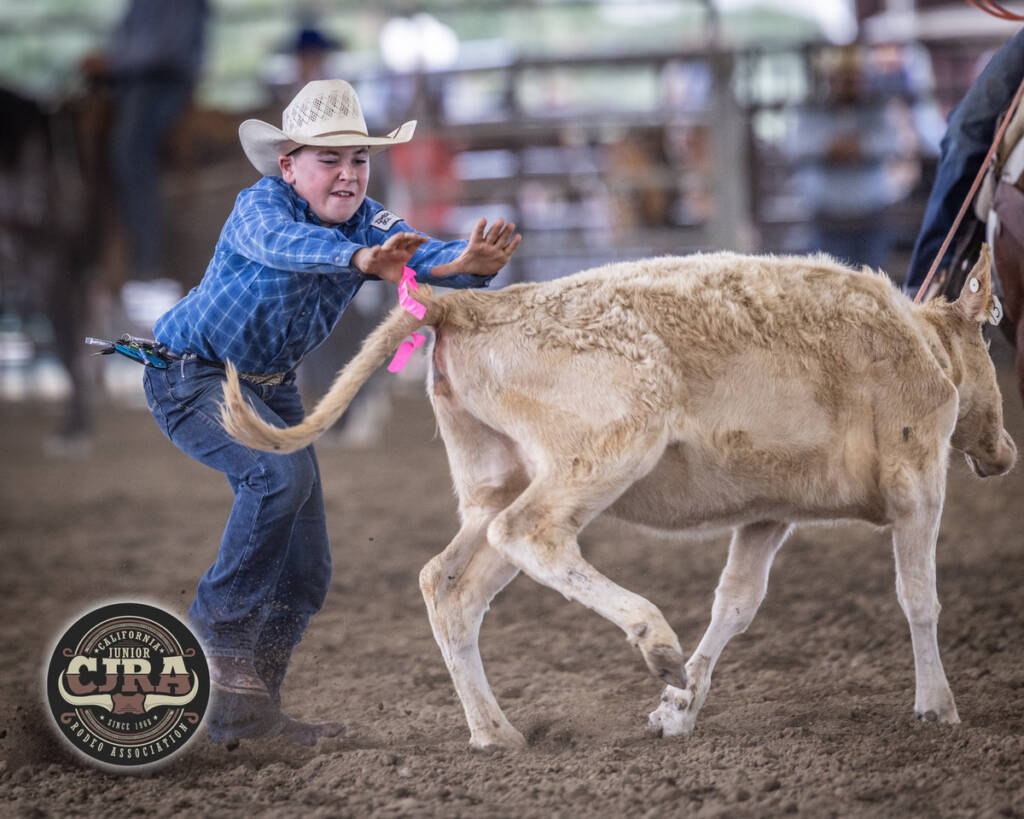
Rodeos were occasionally held during the property’s days as the Rancho California Track and Training Center – back in the 1970s. Although rodeo action is very different from the English equestrian disciplines for which Galway Downs is now well known, they fit Temecula Valley’s horse-centric history and culture. Expanding the range of horse sports happening at Galway Downs nurtures common ground shared by all who value preservation of the region’s equestrian lifestyle.
Galway Downs’ new 44,250-square-foot covered arena sealed the deal for Kevin as he considered bringing rodeo events to the venue. Rain is common around Thanksgiving weekend and would seriously dampen the festivities planned around the Finals. The size of the covered arena also accommodates the sport’s unique equipment, including livestock pens and chutes.
Raising Good Humans
Similarities between rodeo and English disciplines include their positive influence on kids’ character. As the parent of an accomplished cowgirl, Kevin cites camaraderie, good sportsmanship and leadership as chief among those influences.
“They all root each other on,” Kevin shares. “There’s no animosity, even though it’s heavy competition between them all year. I think that goes with them being humble and kind.” Most cowboys and cowgirls take care of their own horses, either at their own home or boarded elsewhere. “They are taught a lot of responsibilities from an early age,” he adds. “Rodeo raises good humans.”
It’s a start with horses that tends to stick, Kevin says. CJRA’s high school age cowboys and cowgirls often compete with the California High School Rodeo association, too. He estimates that 20% go on to rodeo for collegiate teams and a high percentage continue through adulthood as professionals and amateurs.
About Junior Rodeo
Junior rodeo contestants compete in four age divisions. Lil Buckaroos are 2-4 years old and use stick horses; Pee Wee riders are 4-7; Juniors are 8-13; and Seniors are 14-18. Events include barrel racing, pole bending, goat tying, mutton busting, chute dogging, breakaway roping, team roping, steer stopping, steer riding for younger kids and bull riding for older contenders.
During CJRA events throughout the year, the Association’s 280 members earn a Finals invite by finishing in the top 10 of their events’ season-long standings. Many compete in multiple events, and older kids typically have specialized horses for each event and a coach.
Attending the CJRA Finals
The Finals consist of three separate rodeos over three days, and results get a 50% bump in points toward year-end standings. Each day starts at 8 a.m. with the timed events including pole bending and barrel racing and ends with the rough stock riding.
Parking and admission are free to the public. The sport is easy to understand and rodeo families are happy to answer questions and welcome newcomers.
“It’s probably the friendliest group of people you’ll ever see,” Kevin says. “If you have questions, just ask the person next to you and they’ll explain it. If you want to get involved with the sport, they’ll help you with that, too.”