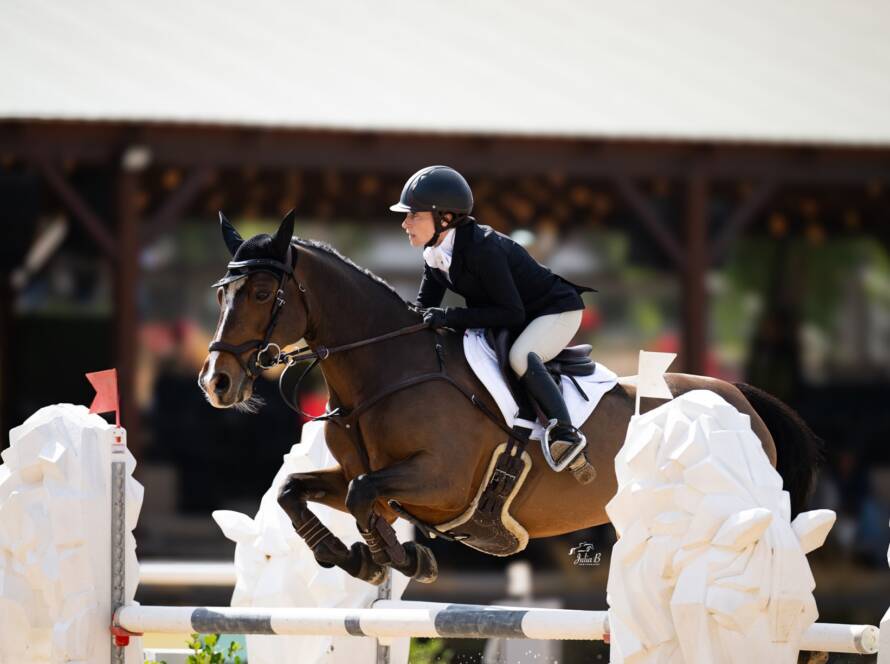
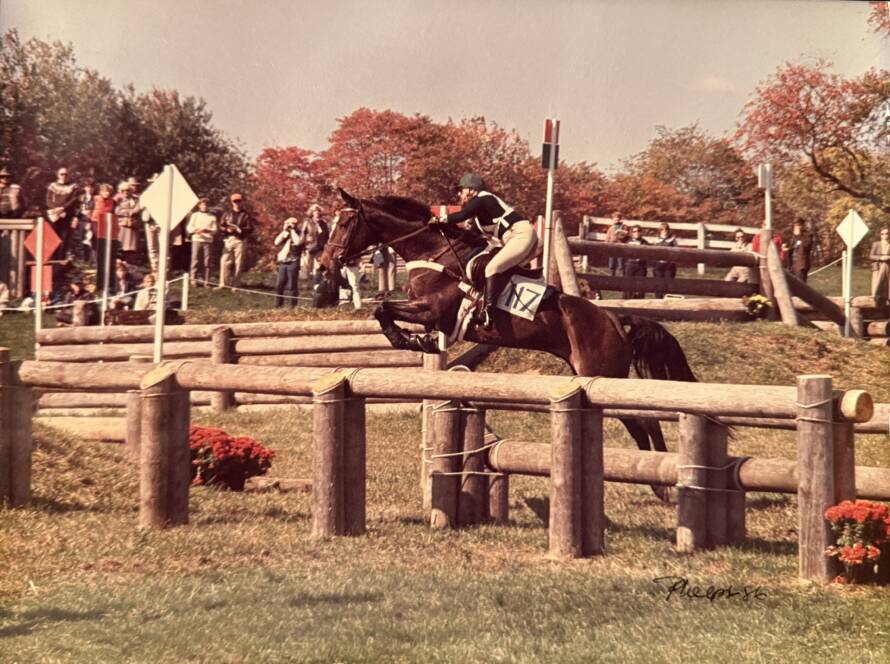
2008 Olympic silver medalist Gina Miles and her daughter Taylor Miles are excited about the inaugural USEA Western U.S. Championships for collegiate (and high school and middle school) eventers coming to Galway Downs in 2027.
As long-time collegiate eventing advocates, they’re also keenly aware of the challenges ahead to ensure wide participation and success.
There are currently 30 collegiate eventing teams registered as affiliates with the US Eventing Association — only four in the West: Cal Poly San Luis Obispo, Cal State Monterey Bay, UC Davis and Washington State University.
Colleges and universities must be registered with the USEA to compete in the Championships. That’s priority-one in preparing for the Western U.S. Championships, which will be staged Nov. 4-7, 2027, concurrent with the Eventing Championships at Galway Downs. The Western U.S. Championships also include the Interscholastic Eventing League Championships for high school and middle school eventers.
The new Western U.S. Intercollegiate and Interscholastic Eventing Championship reflects strong national growth for college, high school and middle school team programs. It’s in addition to the Championships that were first held as a stand-alone event at Stable View in Aiken, South Carolina, in May of 2026. The 2026 Championship drew 131 collegiate riders, on 34 teams riding for 16 colleges and university, and that success set the stage for creating a Championship in the West in 2027.
Collegiate Eventing in Area VI
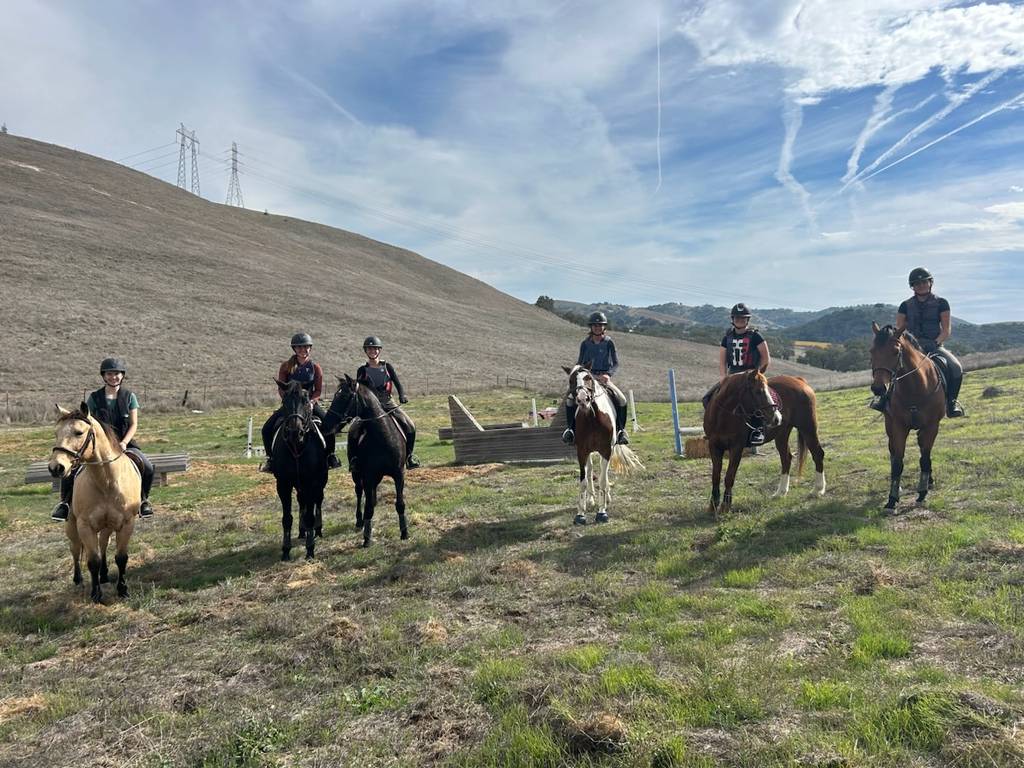
UC Davis founded the West Coast Collegiate Eventing league in 2011, which grew into the national Intercollegiate Eventing League by 2013. The USEA established its Intercollegiate Eventing Program the following year. Since then, Collegiate Team Challenges have helped grow interest, with especially strong participation in Central and Northern California. This fall’s Eventing Championships at Galway Downs will host a Collegiate Challenge, giving riders a taste of the bigger competition and social festivities planned for the Western U.S. Championships next year.
Cal Poly San Luis Obispo’s team was established in 2018 by then-senior Lexi Thacker, following a few years of logistical and administrative groundwork. Lexi, Megan McIver and Josey Thompson were among the fellow Cal Poly eventers who helped organize the team and represent it in its early years.
With her Gold Medal Equestrian training business based in San Luis Obispo at the time, Gina Miles had several Cal Poly students in her program and fully supported their efforts to launch and sustain the squad.
Collegiate teams typically have a university staff advisor, but students handle most of the organization and management. Activity can ebb and flow as leaders graduate and newcomers find their stride. At Cal Poly, COVID had stalled team activity when Taylor Miles arrived as a freshman in 2023. Now it’s a thriving enterprise with newcomers poised to take the reins from graduating riders. Taylor, now a senior, was a leader in that revival, gaining first-hand experience in organization, recruiting and management along the way.
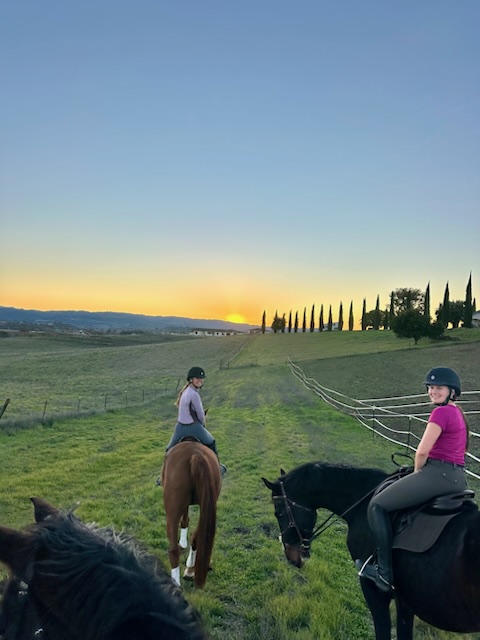
“It had been a great program and I was really excited about it,” Taylor relays. “There were a few people interested in it when I got there, but nobody was competing or having meetings at that time.” Taylor and her roommate met with the team’s advisor to get meetings back on track and “get people excited to do fun things with other horse people,” she explains. By her junior year, “we had a pretty solid team — almost 20 members,” she says proudly. “That’s been super rewarding and fun to feel that growth.”
She’s excited for Team Challenges throughout her final year at Cal Poly and grateful that the Western U.S. Championships in 2027 allow participation for riders who graduate the preceding spring. Taylor is on track to earn her degree in marine science in the spring of 2027.
Her efforts extend beyond recruiting and managing Cal Poly’s team to building participation throughout USEA Area VI — through direct messaging on Instagram, scanning competition entry lists to reach riders she knows or suspects attend college, and plain old word of mouth.
Horsepower & Admin Hurdles
Horsepower is one major challenge to team formation. Collegiate eventing teams must have their own horses — either those owned by individual members or loaned or leased to team riders — and finding mounts capable and safe for eventing’s three phases isn’t easy.
The Cal Poly “Mustangs” have been fortunate to have Gina Miles’ support and her program’s horses close by. (Collegiate dressage and hunter/jumper teams usually have access to horses owned by their school, and their competition format requires the host school to provide mounts for both home and visiting team riders.)
Gina encourages collegiate eventers to reach out to nearby riding schools and Pony Club Riding Centers, which may be open to lease or partial-lease arrangements.
Administrative tasks are another hurdle. “There can be a bit of red tape to get through,” she says of the requirement that schools be registered as USEA affiliates to compete in the Championships. (Schools don’t need to be registered to participate in Challenges held at individual events, she clarifies.)
“There’s a bit of work to do to get a good number of teams,” Gina acknowledges. “It can be daunting if there’s just one or two eventers at a school and they’re trying to go through the process on their own.” “Scramble” or “scratch” teams — made up of riders from different schools — are one option.
Handling the outreach and logistics side of collegiate team riding is itself a big bonus of participation, Gina asserts. “Team members learn about organization, planning and coordination. They’re all skills that transfer to your first job.” “Learn by doing” is Cal Poly’s school-wide motto, and its equestrian team has helped members do just that. “It’s really valuable experience whatever their chosen career might be.”
Collegiate programs are good for the sport, too. Gina has seen riders join with hunter/jumper or dressage backgrounds, then get hooked on eventing the moment they experience cross-country and/or the camaraderie. Whatever the discipline, staying in the saddle through college often secures lifelong participation in the sport.
Area VI has been planting the seeds of collegiate eventing over the last few years, and Gina is confident the Western U.S. Championships will help them take root. The growth of high school and middle school teams through the USEA’s Interscholastic Equestrian League gives the pipeline a strong base, she notes. “It’s easier to build up at the interscholastic level,” she explains. “We’ve added a lot of schools to that roster in the last few years, and I think that will help carry over to the collegiate level.”
Get Involved
The USEA Western U.S. Championships arrive at Galway Downs Nov. 4-7, 2027, alongside the Eventing Championships — with a Collegiate Challenge preview happening this fall as a warm-up act. For riders, coaches, families and schools with questions about forming a team, registering as a USEA affiliate, or finding horses, Area VI’s collegiate eventing page is a great starting point.
Featured Photo: Cal Poly team riders, by Emma Gray for Atalya Boytner