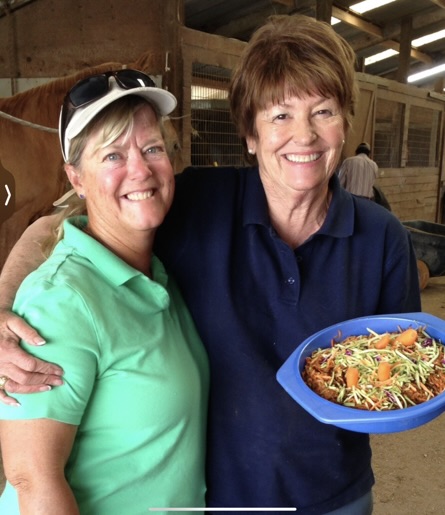
GWF is a familiar suffix on the names of many an equine eventing star. It stands for Gateway Farm and the 33-year breeding partnership between friends and fellow horsewomen Elizabeth “Liz” Jenner and Laurel Ritter.
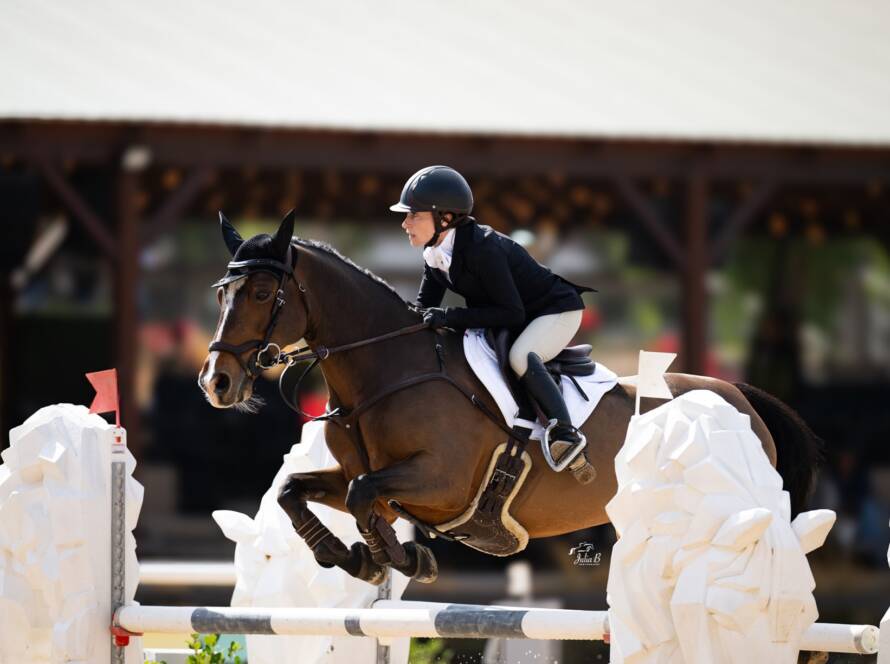
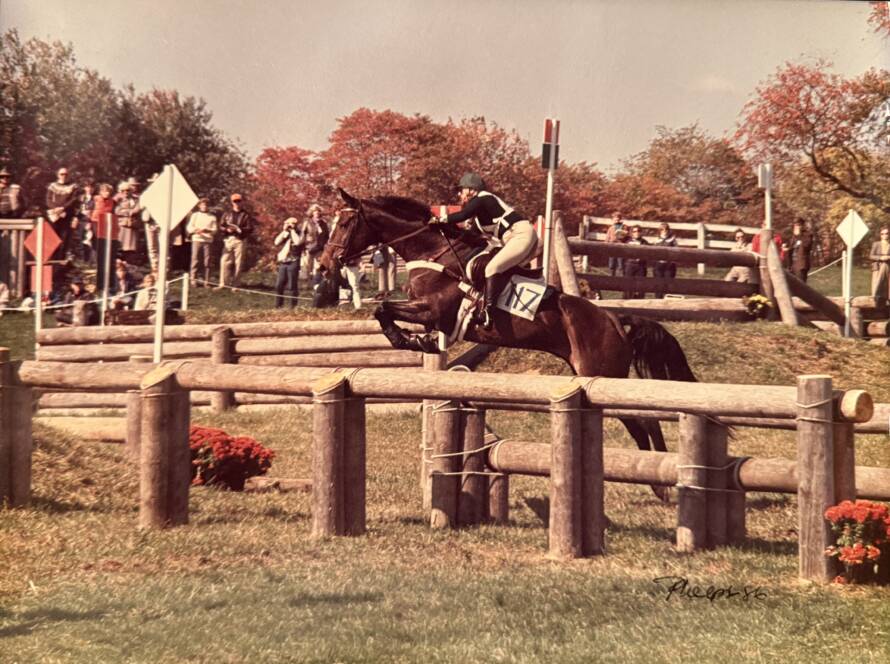
Bon Vivant GWF is the brand’s current highflyer. He’s one of 21 horses Laurel and Liz sent to Galway Downs-based professional Erin Kellerhouse over the years. Erin brought “Pierre” along since he was a 4-year-old and patiently developed him up to his current star status. That includes 1st and 2nd place finishes in the 3* divisions at Galway Downs and Twin Rivers already this year.
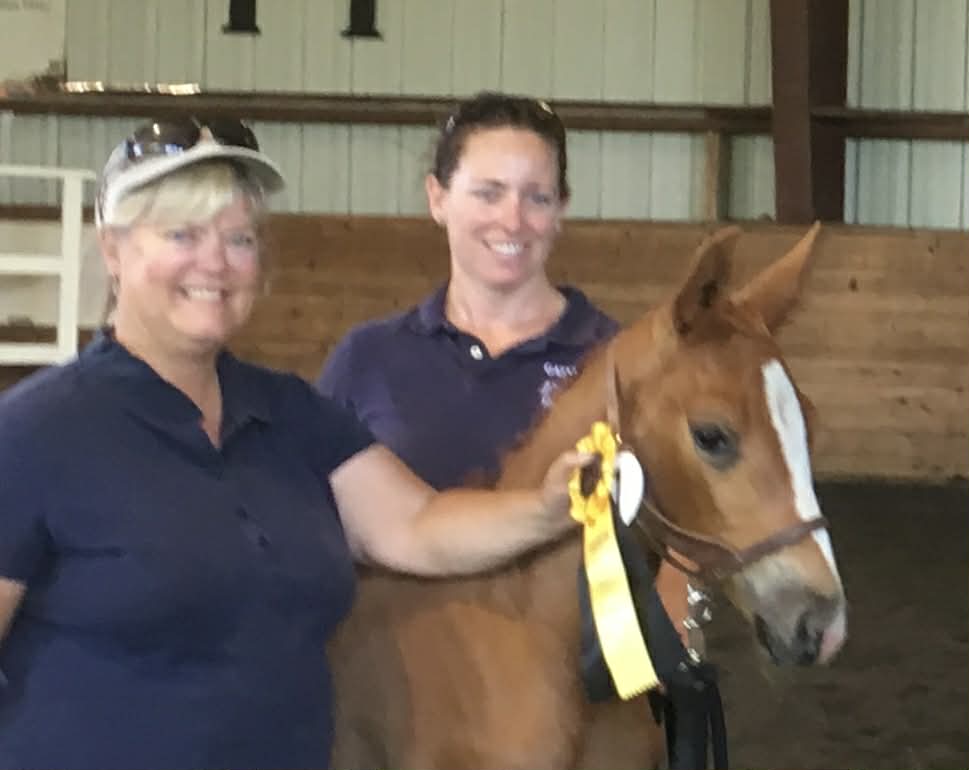
A younger horse, the 6 -year-old Hanoverian, Risqué GWF, is making her mark at the Novice level with young professional Mackenzie Davison. These two horses bookend a deep roster of talented equine athletes bred by Liz and Laurel.
Sired by Banderas and out of the dam Power Point, Bon Vivant was 2nd in the USEA Intermediate Final during US Eventing’s American Eventing Championships and 2nd in the CCI3*-S at The Event at Rebecca Farm, both last summer. Risqué GWF, by Rotspon out of Qualité GWF, made her competitive debut at the AEC at Galway. The beautiful, black 15.2-hand mare won the Starter division with Mackenzie, a protégée of Erin’s. Risqué has stayed in the top 10 in following Area VI outings, including a 2nd at the Galway’s March Horse Trials in Open Novice.
(The bloodline connections are not limited to horses in this story. Erin Kellerhouse is Laurel’s cousin and Mackenzie Davison is Erin’s niece.)
Additional GWF stand-outs include Reine Noir GWF, by Rotspon, who is currently going Grand Prix dressage with professional Jo Moran. Reine Noir’s full-sister, Reverie GWF, (and a half-sister to Risqué) earned national fame in 2021 as USEA’s Training Horse of the Year, with young rider Shelby Murray. Just to name a few…
Lifelong Friends and Horsewomen
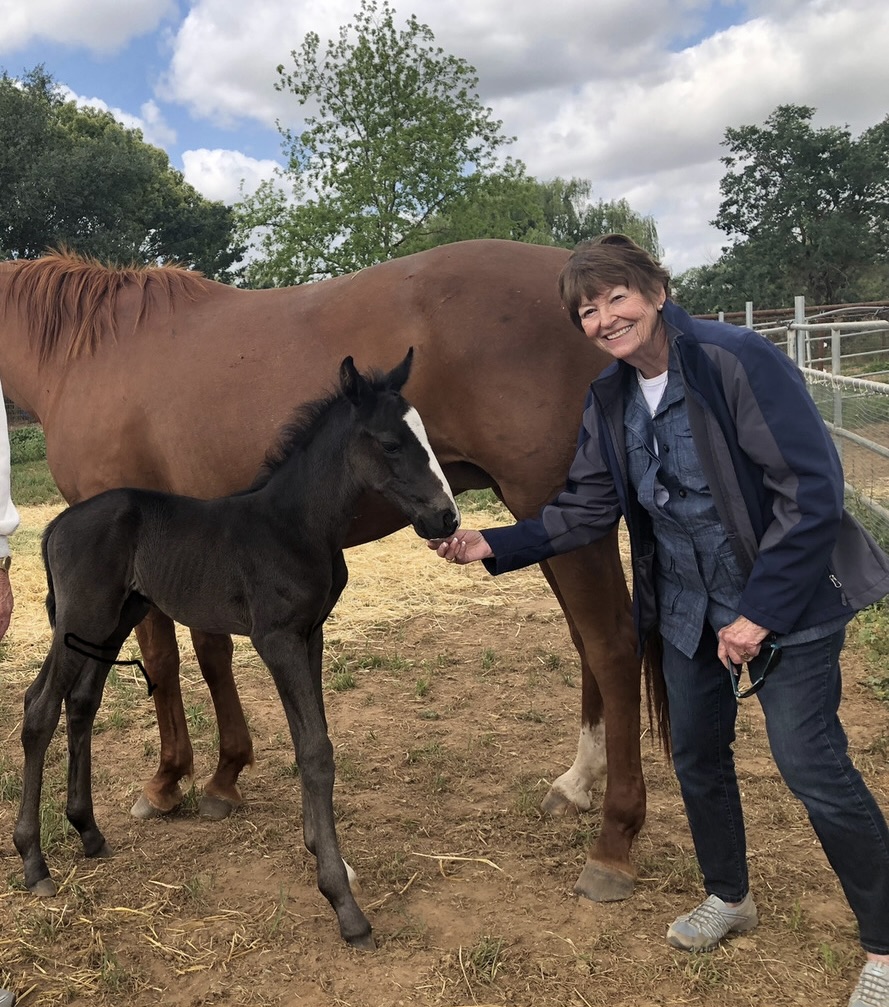
Liz and Laurel have been close friends for nearly 50 years. Laurel is a lifelong horsewoman whose father, Jerry Baier, drove Standardbred trotters and pacers. As an adult living in the East Bay Area, she sent some young horses to Liz for training and sought Liz’s help in coaching her daughters during their junior careers.
The breeding endeavor began after Laurel’s father passed away in 1993, leaving her with six Standardbreds. She followed his footsteps into the horse business, but pursued a different path in breeding sporthorses with Liz.
The partnership exists in addition to Liz’s main equestrian endeavor with the 52-acre Gateway Farm. Home to 80 horses, it’s a thriving boarding, training and lesson program in Northern California’s Acampo, near Lodi.
Liz had ample breeding experience on her own. She continues to produce colored sport horses alongside the babies from her partnership with Laurel.

Fulfilling her personal passion for colorful horses, Liz stands the stallion, London Fog GWF, a bay-based, “fewspot” Appaloosa and Oldenburg cross. “He sires tall, athletic, loud-colored spotted horses,” Liz shares. Plus, his offspring are as well suited for amateurs in all English disciplines as those produced in more traditional hues.
The Right Recipe
Liz and Laurel found a magic recipe in breeding sport horses when they realized that “lower-level competitors needed better scores in the dressage phase,” Laurel recalls. “To get that, we realized we probably needed the sires to be more Warmblood than Thoroughbred.”
In focusing on the amateur rider market, they leaned toward sires with strong dressage pedigrees and performance records. “Most amateurs want a pretty horse, that’s a nice mover with a good temperament and, hopefully, one that stays sound,” Liz shares.
Putting their heads together on breeding pairings led to great results. Laurel estimates they’ve sold 200 to 250 horses, fairly evenly split between eventing and dressage careers. The partners’ track record became so strong that most of their horses were sold between the ages of six months to one year.
Bon Vivant GWF is a bit of a departure from their emphasis on dressage potential. Looking for stallions online, Laurel was wowed by Banderas, a gorgeous grandson of international jumping sensation Baloubet du Rouet standing at Dreamscape Farm in Canada. “I saw him online and really thought his jumping was amazing,” she describes. “His legs were tucked so high, in the front and back.”
A Remarkable Partnership
Laurel describes herself a silent partner. “The fun part is finding the stallions and pairing them with the mare” she says. “The stallion owner would often ask us about the mare, and I used a lot of their experience in choosing.”
Laurel enjoys researching bloodlines and studying possible pairings but considers Liz to be the expert and their hands-on representative.
The mares and babies live with Liz at her Acampo facility, enjoying oodles of pasture time and round-the-clock supervision and care. Over the years, Laurel counts herself lucky to have been on hand for several foalings and first frolics. But it’s Liz, she clarifies, who manages the mares and foals day in and day out.
After 33 years “without so much as a cross word between us,” Laurel and Liz are winding down their breeding endeavor. “I’m 20 years younger than Laurel and I’m the one who suggested we wind down the breeding, but I cried when I said goodbye to the last of our broodmares,” Liz shares.
Lasting Legacy

Seeing so many of their babies grow into thriving careers has been gratifying all along, for Liz and Laurel. And they go out of the business on an especially high note seeing Bon Vivant imprint the GWF brand on top sport in North America.
“It’s a thrill,” Laurel says of seeing his progress and that of all the horses she and Liz brought into the world. “It takes you back to when they were babies and the hopes you had for them. To see them excel and prove that you were right, and to know they’ve gotten such wonderful care – that’s the best part of the breeding business.”
Breeding sporthorses in North America is a challenging business endeavor. A preference for Irish Sport Horses and other European breeds persists among many American equestrians. Laurel believes it’s due mostly to the fact that horses can be developed more affordably in Europe. Shoppers who travel there are likely to find breeders with 3- and 4-year-olds already going nicely under saddle and ready to start their careers with new owners. In North America, the cost of land, veterinary care and everything else makes it very expensive to get a young horse to that stage of readiness.
“We’re up against stiff competition from Ireland and Germany,” Laurel notes.
She and Liz have certainly done their part. Plenty of high quality horses and their happy owners will carry their legacy far into the future.