New World Screwworm has not shown up anywhere near California, but its appearance in Texas and New Mexico as of early June has understandably set the horse world on high alert.
The health and safety of our horses and other animals is priority one for Galway Downs Equestrian every day. Toward that end, we asked our friends at Pyranha Animal Health, for help understanding the Screwworm situation and helping all prepare should the dangerous pest make it to California.
What Is New World Screwworm?
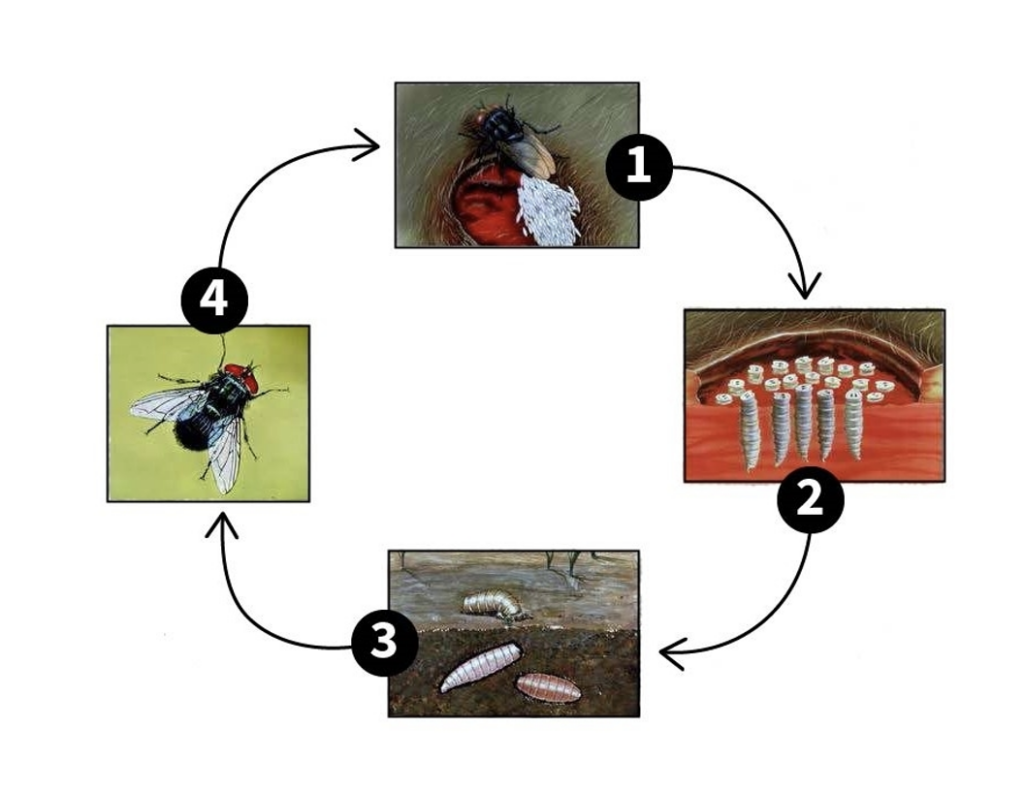
New World Screwworm is a parasitic fly (Cochliomyia hominivorax) that poses a serious threat to horses, livestock, and other warm-blooded animals. Adult screwworm flies are slightly larger than a common housefly and can be identified by their metallic blue or green bodies, orange eyes, and three dark stripes along their backs.
What makes NWSW particularly dangerous is how it reproduces. The flies are attracted to open wounds, eyes, nostrils, mouths, and other orifices, where they deposit small, layered clusters of creamy white eggs. Once those eggs hatch, the larvae — commonly known as maggots — burrow into living tissue using sharp mouth hooks and feed on the host’s flesh. Left untreated, an infestation can cause severe damage, secondary infection, and in the worst cases, death.
NWSW larvae require living tissue to survive, which is what separates them from other fly species and makes early detection so important.
How to Monitor Developments
As of June 15, New World Screwworm has been detected in Texas and New Mexico, with the primary concern centered on the Texas-Mexico border region. The United States Department of Agriculture and its Animal and Plant Health Inspection Service (APHIS) are actively working to contain the spread and prevent it from moving further north and west.
As of mid-June there were no cases confirmed in California. For horse owners in the Temecula area, the immediate risk is low — but staying informed is always good practice, especially for those who travel with horses to competitions or trail rides in other states.
National Response Efforts
Multiple federal agencies are actively engaged in controlling NWSW:
- USDA and APHIS are deploying the Sterile Insect Technique (SIT), a proven method that involves releasing sterile male flies to reduce the reproductive population over time. They are also working to increase sterile fly production capacity and strengthen surveillance at the border.
- The Center for Disease Control is focused on raising awareness about diagnosis and treatment for affected animals and humans.
- The Environmental Protection Agency is compiling a list of approved insecticides that may be effective against the adult fly stage of NWSW.
Industry organizations, including the American Horse Council are also advocating for expanded resources and border collaboration.
How Pyranha Animal Health Can Help

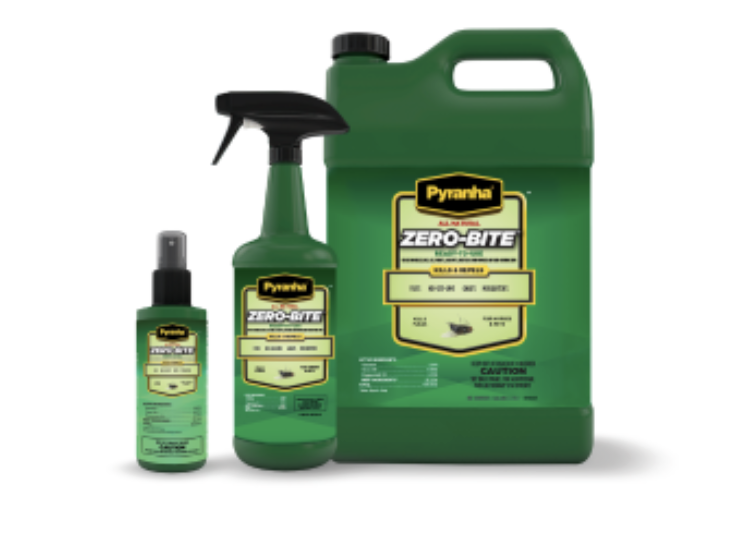
Pyranha, a trusted name in equine fly control and a Bronze Medal sponsor of Galway Downs Equestrian has been proactively working alongside the American Horse Council to support NWSW mitigation efforts. Based on the EPA’s recommendation of Permethrin and Geraniol as active ingredients with potential effectiveness against NWSW in its adult fly form, Pyranha has identified three products that align with those guidelines:
- Pyranha 1-10 HP Concentrate
- Stock Guard Concentrate
- Zero Bite Natural Insect Spray Concentrate
These products are formulated to target a broad spectrum of fly populations and may help reduce the presence of adult screwworm flies in and around the barn or stable environment. While no product can guarantee complete protection against an emerging pest, maintaining a strong fly control protocol is one of the smartest preventive measures horse owners can take.
Note: Product recommendations are based on active ingredients referenced from USDA-APHIS guidelines. Always follow label directions when applying any insecticide around horses.
Signs to Watch For
Whether you’re concerned about NWSW or other fly-borne health issues, it’s always good practice to monitor your horses for the following:
- Irritated or agitated behavior — unexplained restlessness or discomfort
- Excessive head shaking
- Unusual odor — a smell of decay near any wound or body orifice
- Visible fly larvae (maggots) in or around wounds
If you observe any of these signs, contact your veterinarian promptly. You can also report suspected cases to your state animal health officials at usaha.org/saho or your regional APHIS office at aphis.usda.gov/contact/animal-health.
The Bottom Line
New World Screwworm is a serious pest that deserves attention — but it is not currently a threat in our region. The best thing equestrians can do right now is stay informed, keep up with routine wound care and monitoring, and maintain a solid fly control program.
Sources: USDA-APHIS, CDC, EPA. Pyranha product recommendations based on active ingredients identified in APHIS screwworm pesticide guidance.